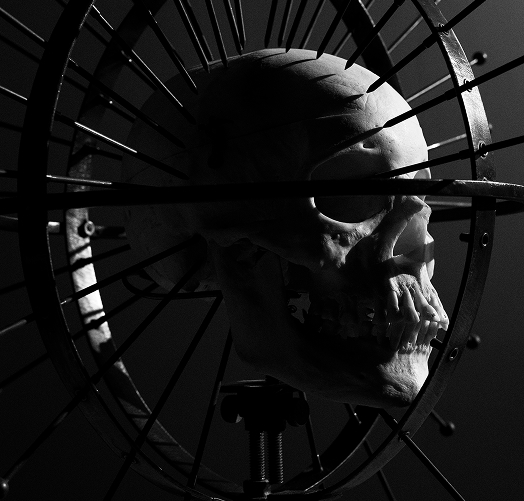
Published in The Journal of Craniofacial Surgery in 2016, this study by Jonathan S. Black, Jordan Deschamps-Braly, and Arlen D. Denny looks at cephalocranial disproportion, a symptomatic condition in which the skull is too small for the brain it contains. Traditional skull-expansion techniques are less suitable for older children, so the authors reviewed their experience using distraction osteogenesis, a technique that gradually expands the skull and allows new bone to form in the gaps.
Sixteen patients (17 distractions) were evaluated using 3D CT scans. On average, about 72 percent of the bone defects created during expansion had filled in with new bone at follow-up. The authors concluded that distraction is an effective option for older children with this condition, with the added advantage of closing bone defects without a donor site. The paper reflects Dr. Deschamps-Braly’s background in craniofacial surgery.




 Watch the truth unfold